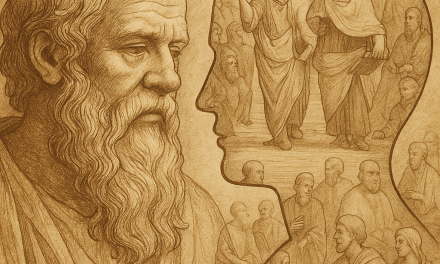
The problem of evil is a question that often comes up that deters some away from the existence of God. The question goes; if God is real, why is there so much evil and suffering in the world. It is difficult to reconcile a good God who is supposed to be the creator of all things as well as a God who is in full control along with a world where there is so much evil and suffering around. How can this be? How can God exist in a world such as ours, surely this would more reflect the absence of any all-powerful and loving God. Greek philosopher Epicurus poses the same question commonly known among philosophers as Epicurus Riddle:
Is God willing to prevent evil, but not able? Then he is not omnipotent. Is he able, but not willing? Then he is malevolent. Is he both able and willing? Then whence cometh evil? Is he neither able nor willing? Then why call him God?
Epicurus wonders, is God willing to prevent evil but is powerless to do so? This would make God powerless against evil, and if God was powerless against evil, how could he be God? Epicurus also wonders if God is able to prevent evil but chooses not to, then surely this would make God himself evil. If God then is evil, he cannot be good and he wouldn’t be a God we would want to know. However, what if God was both able and willing to prevent evil and suffering? If this was so, why is there still evil and suffering in the world? This would mean God was unwilling to prevent it and if this was so, why would we even call him God? Epicurus seems to wrap up all out modern thoughts on how can God exist when there is such evil in the world, or even, if God does exist, why doesn’t he stop all the evil in the world or even get rid of the evildoers.
Well, there is quite a simple answer to this question which leaves God both good and all powerful. Since God is God, would it be possible for God to create a world exactly as he wants it? Well, the immediate answer would be yes! Of course he could! However, what if God wanted man to have free will? The freedom to choose? If God created a world that we expect of him, such as a world without evil and suffering, wouldn’t it be necessary for us not to have the freedom to make decisions that would create evil and suffering? In order for the world to be without evil and suffering, free will must be taken out of the equation. God would have needed to create a perfect world with perfect people who can only choose good, in-fact, good would not be a choice, you would not have the choice to decide whether you believed in God or not, you would just have to believe.
God, however, did not choose to create a world without free will, God wanted man to have the freedom to choose yet man did not always make good choices. For example, right back in Genesis, God had instructed Adam and Eve not to eat the fruit from the tree of knowledge of Good and Evil (Gen 2:16-17). God gave an instruction, however, God had also given Adam and Eve the freedom to choose whether or not to obey him and incidentally, they chose to disobey God and they ate from the tree which bought into the perfect world God had created evil and suffering. It was not of Gods doing, but mans.
Does this therefore mean that God cannot exist because evil is in the world or that God was powerless to prevent Adam and Eve eating from the tree? No, it means although God is all powerful and loving, he wanted man to have the choice to choose to obey him rather than force man to obey him. This is relevant even to this day, God wants us to choose him, God does not want to force that decision upon us. It was because of this disobedience right in the very beginning that man was separated from God because of Adam and Eves choice to sin. Adam and Eve enjoyed complete unity with God until that very moment when they chose to disobey and it was because of that choice that man is born separated from God, however, God made a way whereby man can once again be in perfect unity with him and that is though Jesus Christ suffering of the cross which He endured for us.
This shows that it is not Gods will for man to be separated from him nor is it his will for evil and suffering to be in the world, but as long as man has the freedom of the will to choose, there will be evil and suffering in the world, however, as we have seen, this is not a valid argument against Gods existence. So while Epicurus’ riddle fails as a proof against God, it still leaves an open question: If evil exists, what is its purpose, and what has God done about it? This is where Christianity stands apart from every other worldview
Christianity Doesn’t Just Acknowledge Evil—It Solves The Riddle
Many critics assume that Christianity has no good answer to the problem of evil, but the truth is that Christianity is the only worldview that directly addresses it in a meaningful way.
1. The Cross: God Steps Into Our Suffering
Unlike other religions that teach detachment (Buddhism) or impersonal fate (Islam, Hinduism), Christianity makes an outrageous claim, God Himself entered into suffering and evil to redeem it:
Isaiah 53:5 – “By His wounds, we are healed.”
John 16:33 – “In this world, you will have trouble. But take heart! I have overcome the world”.
The Cross shows that God is not distant from suffering—He took it upon Himself.
2. God’s Justice vs. God’s Mercy
Many who reject God over the problem of evil forget one crucial point: If God does exist, then evil will be dealt with.
- Atheism provides no ultimate justice—evil people die with no consequences.
- Christianity teaches that all evil will be judged (Revelation 20:12).
- But here’s the paradox: God doesn’t just punish evil—He provides mercy through Christ.
This is something no other worldview offers: Perfect justice and perfect mercy—at the same time.
3. Evil Is a Temporary Problem, Not an Eternal One
Many skeptics assume that the world as it is now is the final version of reality—but Christianity says evil is temporary, not permanent.
Revelation 21:4 – “He will wipe away every tear from their eyes, and death shall be no more.”
Christianity frames suffering within a larger narrative—one that ends with God restoring everything. In other words, Epicurus’ mistake is that he assumes this world is all there is. Christianity tells us that evil is part of a temporary reality that will one day be completely overcome. Epicurus’ riddle assumes that if God were all-powerful and loving, He would eliminate evil instantly. But this ignores the reality of free will, the greater purpose behind suffering, and God’s ultimate plan for redemption. Christianity doesn’t just acknowledge evil—it provides the only meaningful solution through Christ. The real question isn’t ‘Why does God allow evil?’ but ‘What has God done about it?’ And in Jesus, we see the answer.
Epicurus’ riddle frames evil as proof against God, but what if it’s actually the opposite? If God doesn’t exist, then evil is just a random byproduct of evolution. But if God is real, then evil has meaning, purpose, and an ultimate resolution. Which makes more sense?”